Black Can Wait

di Alice Colino

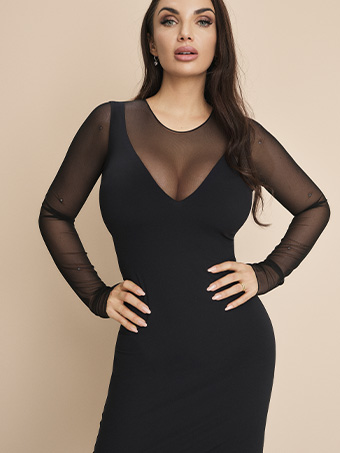
There is a ritual that returns every year, as punctual as the turning of the seasons: temperatures fall, days grow shorter, and we open our wardrobes reaching straight for black. It is an almost automatic reaction, one we mistake for elegance when in truth it is simply a habit.


Black is reassuring; there is no question about it, and it goes with everything. Yet if we truly reflect on it, it is also the shade that speaks least to the season we are currently experiencing.

Autumn, genuine autumn, has never been monochromatic. You only need to glance outside: during these months, nature moves across a palette of deep, earthy, shifting tones that rarely align with absolute pitch darkness.


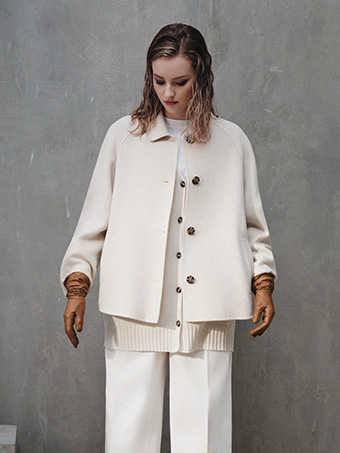
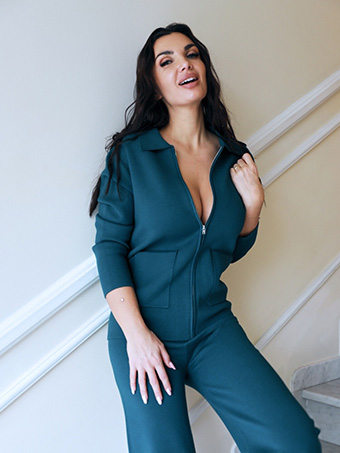
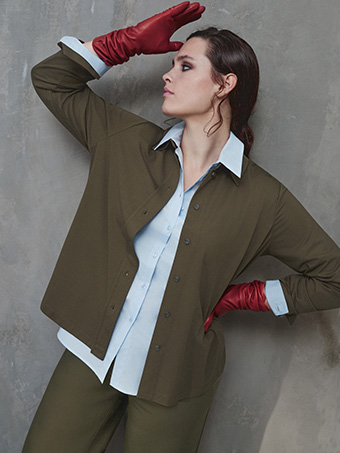
It is no coincidence that the passage from summer to autumn is precisely this: a gentle slide between nuances, not a leap into the dark. Curating a wardrobe inspired by this transition rather than hibernation means choosing between specific colour directions—three distinct moods linked by a single thread: replacing black, with intention.

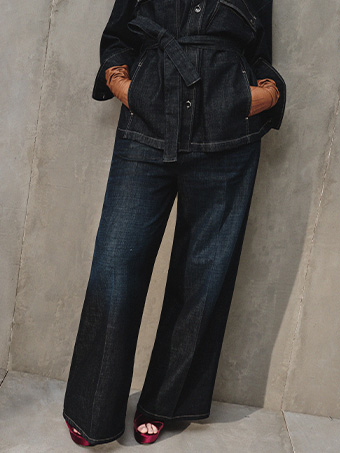
The first colour is a blue, yet not the vivid marine tone we leave behind for now. It is a more mature blue, bordering on nocturnal: the exact threshold where the sky is no longer azure but not yet pitch black, that suspended grey-blue painters refer to as the "blue hour", regarded in photography as the day's most photogenic minute.

Cobalt, petrol, and ink blue: these nuances retain all the depth of black and perform just as seamlessly at the office as they do for evening, yet they restore a luminosity to the face that black, to be fair, tends to dull. A coat in this palette, or a high-neck knit slipped beneath a dark blazer, becomes an elegant way to maintain sartorial rigor while gaining greater chromatic depth.

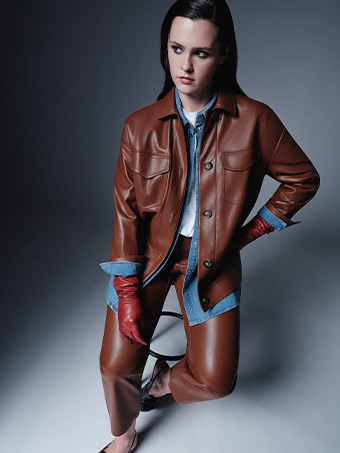
The second path turns towards the undergrowth. Brown was relegated for years to the category of "difficult" colours, almost passé, yet it has returned with remarkable force precisely because it speaks of raw materials: wood, tree bark, and fallen leaves drying along the pavements. Not just any brown, but rich dark chocolate, the amber patina of aged leather, and the warm, near-reddish hue of chestnut bark.

It is a palette that excels particularly across structured tailoring—a double-breasted coat or a blazer with defined shoulders—because its tangible character converses with the clean lines of the cut. Earthy tones tend to showcase the craftsmanship of a garment far better than black, which flattens contours. On a well-crafted piece, brown does not conceal tactility: it places it front and centre.

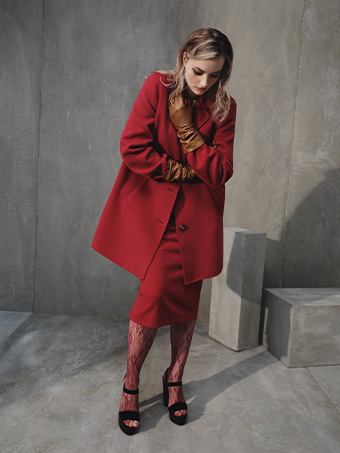
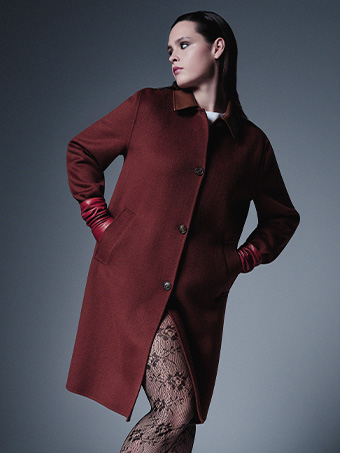
Finally, burgundy: the shade that embodies the warmth of autumn more than any other. It is the colour of wine poured during the first indoor lunches, of foliage turning deep crimson before it falls, of sunsets that shorten while growing more intense. It is an enveloping, deeply sensory tone: rich, warm colours exert a tangible influence on how we perceive ourselves, instilling a sense of warmth that black, an "absent" colour by definition, simply cannot provide. Across a jumper, a trouser suit, or even a statement accessory, burgundy conveys self-assured femininity that never feels predictable.

This is not about banishing black from the wardrobe—that would be disingenuous advice and hardly practical. It is about viewing it as one choice among several, rather than the default setting. The shades we wear influence not only how others perceive us, but our own daily energy as well: black, as elegant as it remains, is also the colour most associated with closure and waiting, the shade we wear almost to disappear during the darker months. Midnight blue, chocolate, and burgundy, on the other hand, speak to a season to be lived, not merely endured.

This autumn, before closing your wardrobe doors on familiar black, it is worth trying a small experiment. A chocolate jumper with petrol blue accents paired with minimalist trousers; the colour pairing carries all the weight, turning what is essentially a knit and trousers into an outfit that looks meticulously curated. Try a burgundy or cherry dress instead of the usual little black dress for an evening out. Or an earthy trouser suit instead of charcoal grey for a day at the office.


It is not a radical upheaval. It is simply a different, more conscious way of being elegant—one that sits far closer to the season we are living in.